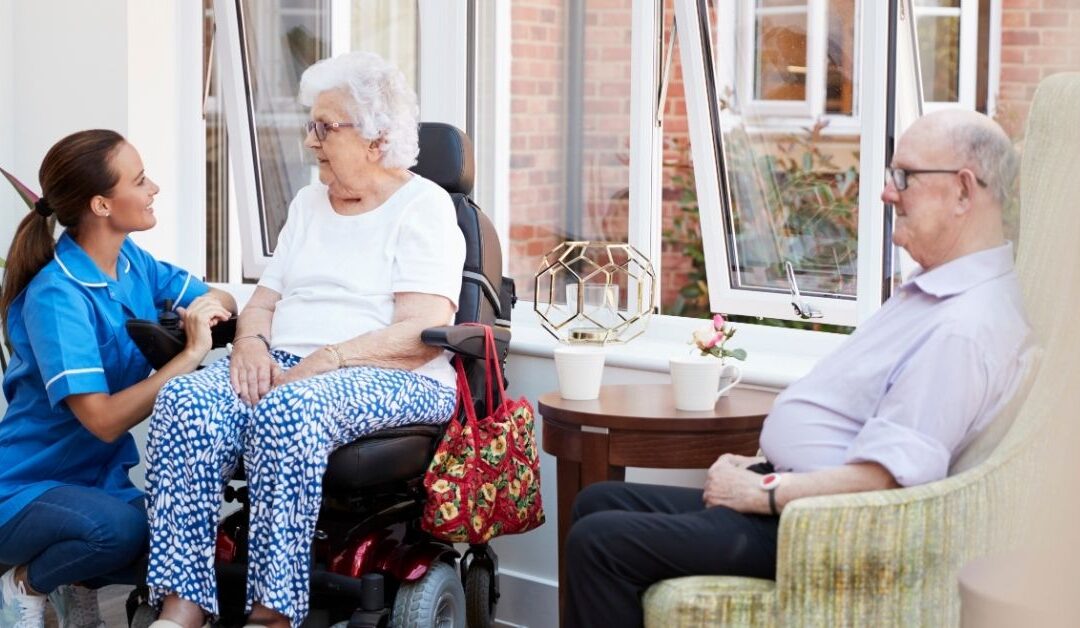
The heart of dignified care lies in the quiet moments—a caregiver sitting beside a resident during a meal, listening to stories from decades past or simply offering the comfort of unhurried presence. These interactions create emotional wellness in residential care in Kearney, MO, for seniors facing mental health struggles, while providing measurable relief from anxiety and depression.
When caregivers focus on building authentic relationships rather than simply completing tasks, they create environments where seniors maintain autonomy, purpose and joy regardless of age or ability. This approach transforms residential care from basic service provision into communities that truly nurture human dignity.
This journey through presence-based care reveals something profound about what it means to age with dignity. When we watch caregivers choose connection over mere task completion, we witness the power of human attention to heal and uplift.
What Does It Mean To ‘Be With’ Rather Than ‘Do For’ In Residential Care?
Senior care has reached a turning point. Caregivers who focus on “being with” rather than simply “doing for” seniors create something beautiful—a foundation for dignified aging that touches both hearts and lives.
Understanding the difference between presence and task completion
Actual presence extends far beyond standing nearby. When caregivers create environments where older adults feel genuinely valued through empathetic interaction and focused attention, something shifts. Task-centered care, on the other hand, rushes through completing activities without considering what actually matters to each person—their preferences, needs and abilities (Liu, Perkhounkova & Hein, 2022).
Why ‘being with’ supports emotional safety
Emotional safety matters more than we might think, especially for seniors facing cognitive challenges. When caregivers establish what researchers call “social togetherness,” they help older adults feel less afraid and uncertain about their world. Emotional safety can look like:
- Living among people who accept them completely
- Feeling genuine closeness and appropriate physical comfort
- Staying connected to familiar places and meaningful activities
- Knowing support will be there when they need it
The impact of mindful caregiving on longevity
Mindful caregiving—staying present without judgment—drastically reduces stress and burnout for both family and professional caregivers. By prioritizing an emotionally supportive presence over mere tasks, this approach fosters an environment where dignity flourishes and life feels truly worth living.

How Does Presence Reduce Anxiety And Improve Health In Seniors?
Presence—the act of being fully attentive and engaged with another person—serves as a powerful medicine for seniors struggling with anxiety and other mental health challenges. Research indicates that approximately 14% of adults aged 70 and over live with a mental disorder (WHO, 2025), making the therapeutic value of human connection increasingly relevant in senior care settings.
Benefits of active listening for seniors
Active listening goes beyond simply hearing words; for seniors, this practice creates a foundation of trust and validation that supports their mental well-being. Effective active listening includes:
- Making eye contact and focusing attention
- Showing engagement through body language
- Offering encouragement without interrupting
- Asking questions that demonstrate interest
- Remaining non-judgmental in responses
Reducing senior anxiety through companionship
Social isolation significantly impacts senior mental health, with loneliness identified as a key risk factor for anxiety in later life. Older adults who received peer companionship experienced greater improvement in symptoms of depression, anxiety and feelings of being a burden compared to those without companions.
Dignity Lives In The Small Moments
Small gestures carry enormous weight. Addressing someone by their chosen name, respecting their grooming preferences and knocking before entering their room all communicate respect for their personhood. These details matter because they signal that, despite physical limitations, the person within remains worthy of consideration and care.
Perhaps most encouraging is how this approach nurtures everyone involved. Caregivers find renewed purpose in work that connects them meaningfully with residents. Residents who report positive staff relationships create workplaces where compassion flows both ways, reducing burnout while increasing job satisfaction.
Moving into residential care represents one of life’s major transitions, yet presence-focused communities transform this challenge into an opportunity for continued growth and connection. When families choose care settings that prioritize human connection, they select environments where their loved ones remain valued as whole persons rather than collections of needs.
Call Westbrook Care Center at (816) 628-2222 and schedule a tour to experience how presence-based care creates spaces where respect flourishes.
FAQs
Q1. How does presence-based care differ from task-oriented care in senior living?
Presence-based care prioritizes human connection, active listening and emotional presence during care interactions. Unlike task-oriented care, which focuses on completing duties quickly, presence-based care turns everyday moments into meaningful experiences that preserve dignity and enhance emotional well-being.
Q2. How can daily care routines support seniors’ self-esteem?
Self-esteem is supported by honoring personal preferences, such as clothing and grooming choices, using preferred names and creating dining experiences that encourage independence, comfort and respect.
Q3. How does a “being with” culture affect caregiver burnout?
A “being with” culture reduces caregiver burnout by fostering a more supportive, purpose-driven work environment. Caregivers experience higher job satisfaction, stronger emotional connection to their work and greater motivation to stay, resulting in a more stable and experienced care team.